
AFTERPAY
AVAILABLE
AVAILABLE

Choosing the right dog lead is about more than picking the nearest one off the hook. The lead you use directly affects your control, your dog's comfort, and the safety of your daily walks. With so many options available, it helps to focus on a handful of key factors. By considering your dog's size, behaviour, and the activities you do together, you can find a lead that works well for both of you.
Think about how you typically use your dog lead. For everyday walks along the footpath, a standard fixed-length lead offers reliable control. If you are working on loose-leash walking or obedience, a shorter lead gives you more precision. For running or jogging with your dog, a bungee lead absorbs sudden pulls and reduces jarring. ACTIVEDOG's Bungee Dog Running Lead is designed specifically for active owners who want that shock absorption without sacrificing control.
Length is one of the most important factors when buying a dog lead. The right length depends on your dog's size, where you walk, and the type of training you do. A standard 6-foot lead is ideal for most walks, giving your dog enough freedom to sniff while keeping them close enough to manage. For small to medium dogs, a lead length of 4 to 6 feet is usually sufficient. Larger dogs often benefit from 6 to 8 feet, which allows them more room to move without feeling restrained.
For training sessions, shorter leads deliver better control. Leads 4 feet or less are recommended for heel work or obedience training. Avoid excessively long leads in high-traffic areas, as they can become a tripping hazard for you and others. If you want flexibility in different environments, an adjustable lead is a sensible choice. The Adjustable Dog Lead from ACTIVEDOG lets you change the length quickly, giving you a short lead for busy streets and a longer one for open spaces.
Although every dog is different, a general guide helps narrow your options. For small breeds and puppies, a 4-foot lead gives you close control. Medium dogs often do well with a 5 to 6-foot lead. For large breeds, a 6 to 8-foot lead provides enough freedom for comfortable walking. Always factor in your surroundings: a crowded park or footpath calls for a shorter lead, while a quiet trail can accommodate more length.
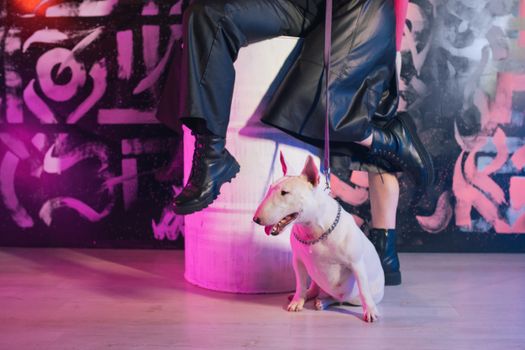
The material of a dog lead affects its durability, comfort, and feel in your hand. The most common options are nylon, leather, and retractable styles. Nylon leads are durable, lightweight, and affordable. They come in a wide range of colours and are easy to clean, making them a popular everyday choice. Leather leads are comfortable to hold, stylish, and become more beautiful over time as the leather ages. They are also very durable, though they require more care than nylon.
Retractable leads offer an adjustable length, which sounds convenient, but they come with important safety concerns. Many trainers warn that retractable leads can be dangerous if the dog gets too far ahead or the mechanism fails. The thin cord can cause burns or cuts, and the sudden tension can lead to accidents. For untrained dogs or high-traffic areas, a fixed-length lead is a much safer option.
| Material | Pros | Cons |
|---|---|---|
| Nylon | Durable, lightweight, affordable, easy to clean | Can cause burns if the dog pulls suddenly; less grip when wet |
| Leather | Comfortable, stylish, ages well, very durable | Requires maintenance; more expensive than nylon |
| Retractable | Adjustable length, gives the dog freedom | Safety risks (tangles, cord breakage, sudden tension); not recommended by many trainers |
Width matters more than many owners realise. Larger dogs require wider leads because a narrow lead can dig into your hands and may not withstand strong pulling force. A wider lead distributes the load better and is more comfortable to hold. For big, strong pullers, look for a width of at least 1 inch. Smaller dogs can manage with a narrower lead around half an inch.
Strength is equally critical. The lead must be strong enough for your dog's pulling strength. Pay attention to the hardware: a strong clasp or buckle is essential for large or determined dogs. Weak snap hooks can bend or break under pressure. ACTIVEDOG's Double Ended Dog Lead features robust construction and multiple attachment points, making it suitable for both training and everyday walks with stronger dogs.
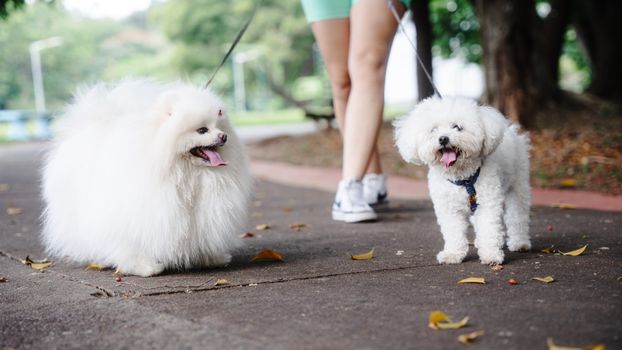
Comfort is easily overlooked but makes a big difference on longer walks. A lead should be lightweight and have a soft grip for extended holding. If you walk your dog for an hour or more each day, a padded handle or a rope-style lead can prevent hand fatigue. Some leads come with neoprene or rubberised handles that improve grip in wet weather. Leather handles also mould to your hand over time and become more comfortable with use.
Reflective stitching or bright colours add a layer of safety for evening walks. Even if your lead is comfortable, remember to switch hands occasionally to avoid repetitive strain. The right lead feels natural in your hand, letting you focus on your dog rather than on your grip.
Safety should always be a priority when choosing a dog lead. Fixed-length leads are generally safer than retractables, especially for untrained dogs or those prone to pulling. Strong snap hooks that lock securely reduce the risk of accidental detachment. Check that the clasp is made from metal rather than cheap plastic. A backup lead or a double-ended design gives you an extra point of attachment in case one clip fails.
Inspect your lead regularly for signs of wear: frayed stitching, rusted hardware, or cracks in plastic components. Replace it as soon as you notice damage. For night-time visibility, choose a lead with reflective elements or use a high-visibility colour. The ACTIVEDOG dog leads collection includes options with reliable hardware and thoughtful safety features.
Always use a shorter lead near roads and in crowded areas. If you run with your dog, a bungee lead reduces the risk of injury from sudden stops. Keep a spare lead in your car or bag in case your primary lead gets damaged. A well-maintained lead is a small thing that makes a big difference to your dog's safety and your peace of mind.

While function comes first, your personal preference matters too. Think about your daily routine and what feels comfortable for you. Some owners prefer a simple, lightweight nylon lead for quick trips, while others like the classic look of leather for longer walks. Colour and design can reflect your dog's personality, but don't let style override safety or durability. It can be helpful to try a couple of different types to see what works best for you. The range of dog leads at ACTIVEDOG covers various styles, lengths, and materials, making it easier to find a lead that suits your preferences without compromising on quality.
A standard 6-foot lead works well for most walks. For training or crowded areas, a shorter lead of 4 feet gives better control. For larger dogs or open spaces, a longer lead of 6 to 8 feet provides more freedom. Adjustable leads offer the flexibility to change length as needed.
Retractable leads can be dangerous if the dog runs suddenly, the cord breaks, or the mechanism fails. They are not recommended for untrained dogs or in high-traffic areas. Many trainers advise using a fixed-length lead for better control and to reduce the risk of accidents.
Leather leads are very durable and become more comfortable with age. Nylon leads are also strong, lightweight, and easy to clean. For heavy pullers, look for high-quality nylon or leather with reinforced stitching. Avoid cheap materials that may fray quickly.
Larger dogs need wider leads to handle pulling force. A width of 1 inch or more is standard for big breeds. Smaller dogs can use narrower leads around half an inch. A wider lead is also more comfortable to hold during long walks.
Yes, a bungee lead absorbs shock and reduces strain on both you and your dog during runs. It helps prevent sudden jerks and makes the run more comfortable. ACTIVEDOG's Bungee Dog Running Lead is designed specifically for this purpose.
Choosing the right dog lead comes down to understanding your dog's needs and your own habits. By considering purpose, length, material, strength, comfort, and safety, you can find a lead that makes every walk more enjoyable and secure. Whether you are training, running, or simply wandering the neighbourhood, the right lead makes all the difference.